



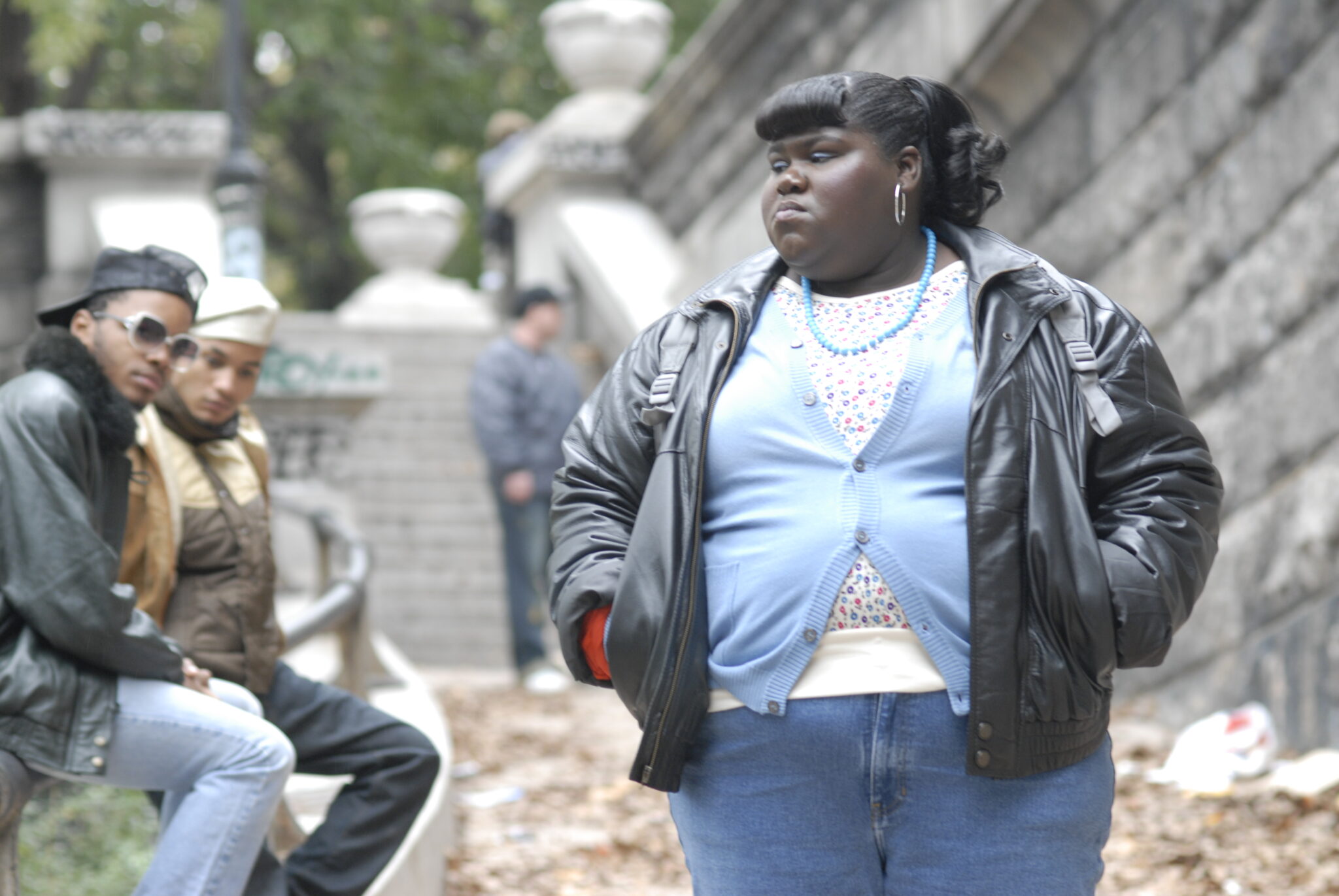
Gabourey Sidibe appears in Precious, an official selection of the 2009 Sundance Film Festival. Courtesy of the Sundance Institute
By Jessica Herndon
If you’ve started making your way through our Sundance Film Festival 101, you know it’s more than a watchlist. It’s a trip through four decades of independent cinematic gems. To help you dive deeper, we’ve gathered a selection of movies from that list directed by filmmakers who identify as Black, African American, or of African descent.
From the infectious energy of House Party to the intimate romance of Love & Basketball, the piercing devastation of Fruitvale Station, the chilling brilliance of Get Out, and the archival radiance of Summer of Soul (…Or, When the Revolution Could Not Be Televised), these films showcase the richness of Black life through a wide range of perspectives. They explore identity, ambition, resilience, joy, community, and legacy while encouraging audiences to recognize the Black experience as multifaceted.
Without a doubt, the Sundance Film Festival’s history includes more films by Black artists than could fit into a single watchlist of only 101 films. But the titles below offer a solid place to start experiencing the impact of Black filmmakers on independent cinema.
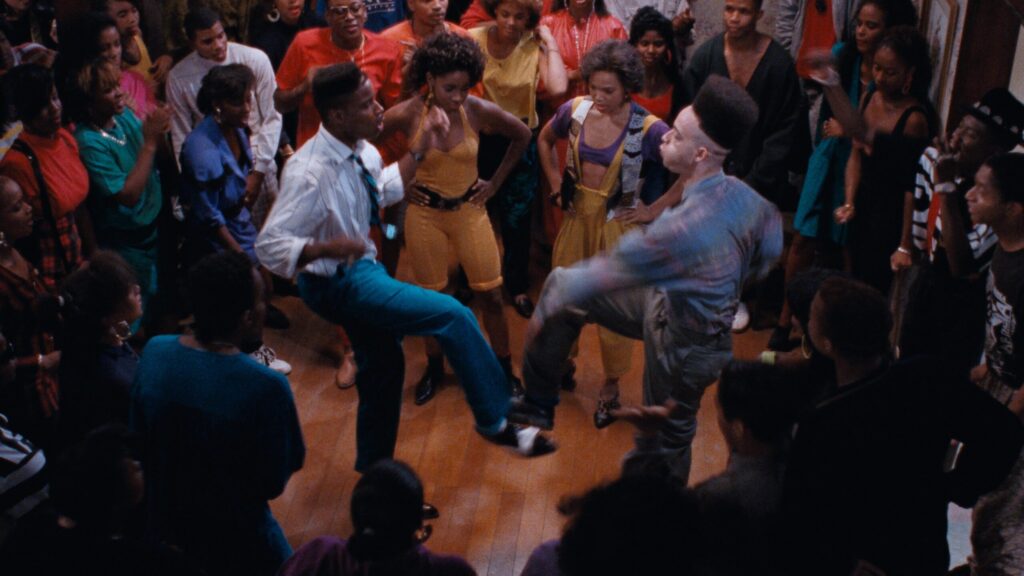
House Party (1990 Sundance Film Festival; winner of the Audience Award)
Director: Reginald Hudlin
House Party follows best friends Kid (Christopher Reid) and Play (Christopher Martin) as they navigate crushes, bullies, strict parents, and an epic house party in 1990s Los Angeles. Reginald Hudlin made his feature directorial debut with the film, which also stars Martin Lawrence and Tisha Campbell. A classic for its humor, music, style, and that iconic dance scene, House Party helped bring Black youth culture to the mainstream. Check here for viewing options.
Daughters of the Dust (1991 Sundance Film Festival)
Director: Julie Dash
Set in the early 1900s, Daughters of the Dust is a story about generations of Gullah women on the Sea Islands as their family prepares to migrate North. Starring Cora Lee Day, Alva Rogers, and Barbarao, the film is a meditation on heritage, spirituality, and the impact of the African diaspora. The first feature film directed by a Black woman to receive a wide theatrical release in the U.S., the film’s influence can be seen across contemporary culture, including the visual language of Beyoncé’s Lemonade. Check here for viewing options.
Love & Basketball (2000 Sundance Film Festival)
Director: Gina Prince-Bythewood
Supported by the 1998 Sundance Institute Directors and Screenwriters Labs (and written and directed by Gina Prince-Bythewood in her feature directorial debut), Love & Basketball sees Sanaa Lathan and Omar Epps portray childhood friends turned lovers who both dream of playing professional basketball. The film’s deep, complicated, and sexy depiction of Black love and a female athlete defining success on her own terms made it one of the most influential romantic dramas of the 2000s. Check here for viewing options.
Precious: Based on the Novel ‘Push’ by Sapphire (2009 Sundance Film Festival; winner of the Grand Jury Prize: U.S. Dramatic and Audience Award: U.S. Dramatic)
Director: Lee Daniels
Precious showcases Gabourey Sidibe in her breakout role as a teenager in Harlem navigating abuse, poverty, and an unplanned pregnancy. Heartbreaking yet compassionate, Precious, with a cast that also includes also Mo’Nique and Mariah Carey, explores trauma, self-worth, and education. After premiering at the Fest, the film went on to earn six Academy Award nominations, with Mo’Nique winning Best Supporting Actress and Geoffrey Fletcher becoming the first Black writer to win an Oscar for Adapted Screenplay. Check here for viewing options.
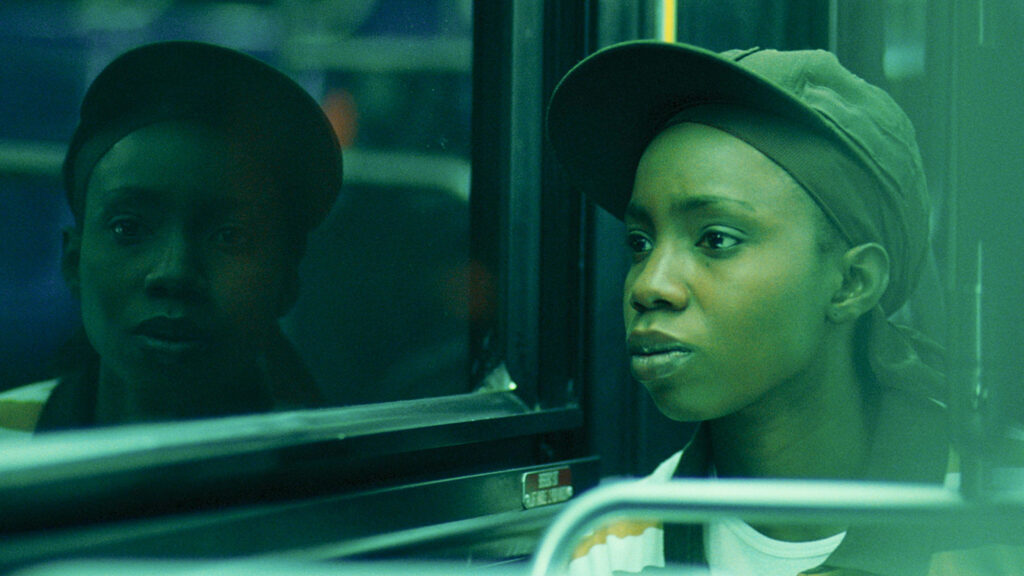
Pariah (2011 Sundance Film Festival; winner of the Excellence in Cinematography Award: U.S. Dramatic)
Director: Dee Rees
Pariah tells the story of Alike (Adepero Oduye), a 17-year-old Brooklyn teenager navigating her family’s expectations, friendship, and her identity as a queer woman. Supported by the Sundance Institute’s Directors, Producers, and Screenwriting Labs, this beautiful film is both tender and honest. Delving into self-discovery and belonging, Pariah expanded representation on-screen by focusing on the experiences of a young Black queer woman with nuance, dignity, and joy. Check here for viewing options.
An Oversimplification of Her Beauty (2012 Sundance Film Festival)
Director: Terence Nance
Blending animation, documentary, and experimental filmmaking, An Oversimplification of Her Beauty follows Terence Nance as he reflects on a sweeping and complex relationship with a woman (Namik Minter) he can’t stop thinking about. Supported by the Sundance Institute’s Feature Film Program, the inventive and raw film is a vividly sentimental ride exploring vulnerability, love, and rejection. Check here for viewing options.
Middle of Nowhere (2012 Sundance Film Festival; winner of the Directing Award: U.S. Dramatic)
Director: Ava DuVernay
Written and directed by Ava DuVernay, Middle of Nowhere features Emayatzy Corinealdi as Ruby, a woman whose life is rocked when her husband is sentenced to prison. As she balances work, family obligations, and long drives to visit him, Ruby begins to question what sacrifice, loyalty, and love truly mean. Exploring the emotional toll of incarceration on families, the film won the U.S. Dramatic Directing Award at the 2012 Sundance Film Festival, making DuVernay the first Black woman to receive the honor. Check here for viewing options.
Fruitvale Station (2013 Sundance Film Festival; winner of the Grand Jury Prize: U.S. Dramatic and Audience Award: U.S. Dramatic)
Director: Ryan Coogler
Based on the real-life killing of Oscar Grant by a transit police officer on New Year’s Day 2009, Michael B. Jordan leads Fruitvale Station as the 22-year-old Bay Area native. Directed by Ryan Coogler in his feature directorial debut and supported by the Sundance Institute’s Feature Film Program, the film offers a deep portrait of a young father whose life was tragically cut short. Heartbreaking and urgent, Fruitvale Station depicts racism, police brutality, and systemic injustice. Check here for viewing options.
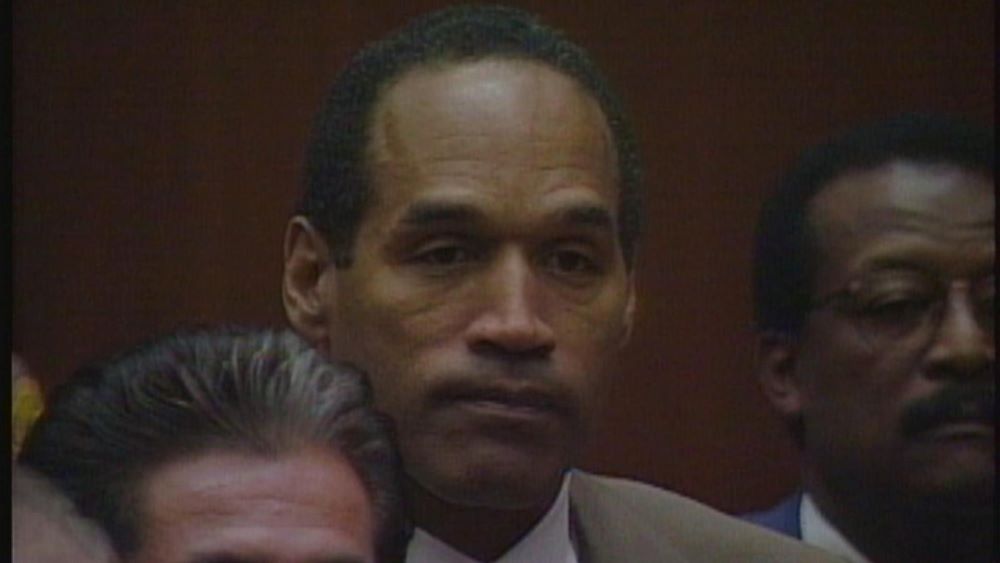
O.J.: Made in America (2016 Sundance Film Festival)
Director: Ezra Edelman
O.J.: Made in America chronicles the rise and fall of O.J. Simpson, from football star to the center of an infamous murder trial. Through archival footage and interviews, the documentary offers a look at celebrity, race, the criminal justice system, and the social and political history of Los Angeles. After premiering at the 2016 Sundance Film Festival, the doc went on to win Best Documentary Feature at the Academy Awards in 2017. Check here for viewing options.
Get Out (2017 Sundance Film Festival)
Director: Jordan Peele
Get Out stars Daniel Kaluuya as Chris, a Black man who uncovers a disturbing secret while visiting his white girlfriend’s family. Jordan Peele’s psychological horror blends suspense, satire, and social commentary while ingeniously examining racism, privilege, and exploitation. The film gained four Academy Award nominations, with Peele becoming the first Black writer to win the Oscar for Best Original Screenplay. Check here for viewing options.
Strong Island (2017 Sundance Film Festival)
Director: Yance Ford
Strong Island investigates the 1992 killing of filmmaker Yance Ford’s brother, William Ford Jr., who was shot by a white man and never charged with a crime. Through deeply personal interviews, the documentary examines grief, family, race, and the failures of the American justice system. Powerful and politically resonant, Strong Island is an unsettling meditation on loss, inequality, and whose lives are afforded protection. The film earned an Academy Award nomination for Best Documentary Feature, making Ford the first openly transgender director nominated for an Oscar. Check here for viewing options.
Sorry to Bother You (2018 Sundance Film Festival)
Director: Boots Riley
In his feature directorial debut, Boots Riley tells the story of Cassius Green (Lakeith Stanfield), a Black telemarketer whose career takes off after he learns how to use his “white voice.” Also starring Tessa Thompson and Danny Glover, Sorry to Bother You begins as a workplace comedy, but spirals into a surreal critique of corporate greed and labor. Bold and wildly unpredictable, the film mixes humor with powerful social commentary on race, class, and success. Supported by the Sundance Institute’s Directors, Producers, and Screenwriters Labs, as well as the Catalyst program, Sorry to Bother You cemented Riley as one of the most original voices in contemporary cinema. Check here for viewing options.
Summer of Soul (…Or, When the Revolution Could Not Be Televised) (2021 Sundance Film Festival; winner of the Audience Award: U.S. Documentary and Grand Jury Prize: U.S. Documentary)
Director: Amir “Questlove” Thompson
Directed by Ahmir “Questlove” Thompson in his feature directorial debut, Summer of Soul (…Or, When the Revolution Could Not Be Televised) showcases footage from the 1969 Harlem Cultural Festival, a concert series featuring performances by Stevie Wonder, Nina Simone, Mahalia Jackson, Sly & The Family Stone, and more. Blending iconic performance material with contemporary interviews, the documentary captures a key moment in Black history that unfolded during the same summer as Woodstock. The film went on to win the Academy Award for Best Documentary Feature. Check here for viewing options.