



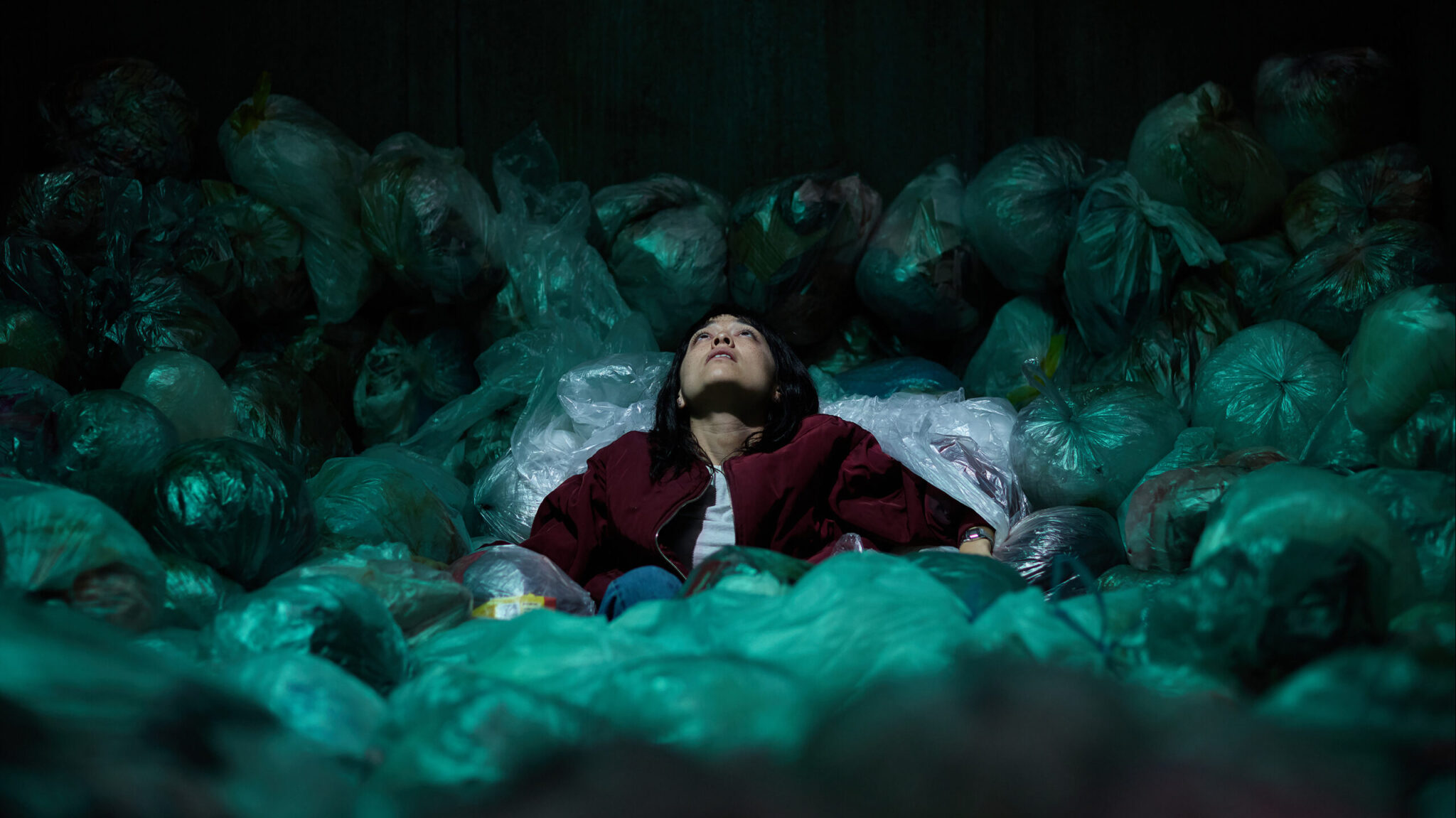

Why does this story need to be told now?
Saccharine has been in my head for years, but it is arriving at a moment that feels almost uncomfortably on the nose. The rapid rise of weight loss drugs, the resurgence of extreme diet and wellness culture, and the return of thinness as an aspirational ideal are reshaping the conversation around how people relate to their bodies. The film speaks to the shame, obsession, and quiet suffering that can be present under all of that, and tries to reframe it with empathy instead of judgment.
Films are lasting artistic legacies. What do you want yours to say?
That physical appearance has nothing to do with worthiness. That self-compassion erodes shame. And that no matter how trapped you feel inside the walls you’ve built within yourself, there is always a way home.
What was your favorite part of making Saccharine? Memories from the process?
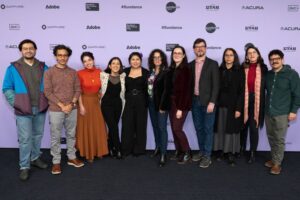
It’s hard to beat the feeling of making something you love with people you love, and we were incredibly blessed with such a close-knit cast and crew. This is my second film with Carver Films, and many of our HODs (heads of department) are close friends I’ve been collaborating with since film school.
There’s also such joy in watching all the abstract ideas from the script come together in physical form. Some moments that stand out to me: watching Midori Francis breathe life into Hana from the very first frame of our camera tests; seeing some of the incredible prosthetic elements realized for the first time; walking into Hana’s apartment set and seeing all the care and character detail in the space; hearing our composer’s beautiful score come together with the images for the first time.
What was a big challenge you faced while making Saccharine?
On a practical level, one of the biggest challenges was managing the stages of Hana’s physical transformation through the film. The prosthetics required long hours in the chair, and Midori was unbelievably game for every stage of it. Given that the film is told almost entirely from Hana’s perspective, her stamina and commitment really made the whole thing possible.
Why is filmmaking important to you? Why is it important to the world?
For me, filmmaking has always been an avenue to explore the big questions I don’t yet have the answers to. I love that films allow us to give shape to the invisible — to interior worlds, dreams, fears, shame, yearning, etc. It allows us to inhabit someone else’s perspective on a sensory level, and that kind of immersion naturally creates empathy. It certainly feels like the world needs more empathy, now more than ever.
What is something that all filmmakers should keep in mind in order to become better cinematic storytellers?
Everyone around you has probably made many films, but no one has made your film before.
What was the last thing you saw that you wish you made?
Probably The Ugly Stepsister or Together. Both [are] wonderfully absurd and visceral.
Which of your personal characteristics contributes most to your success as a storyteller?
Curiosity, empathy, and a vivid imagination.