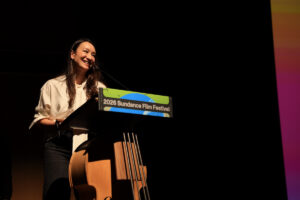




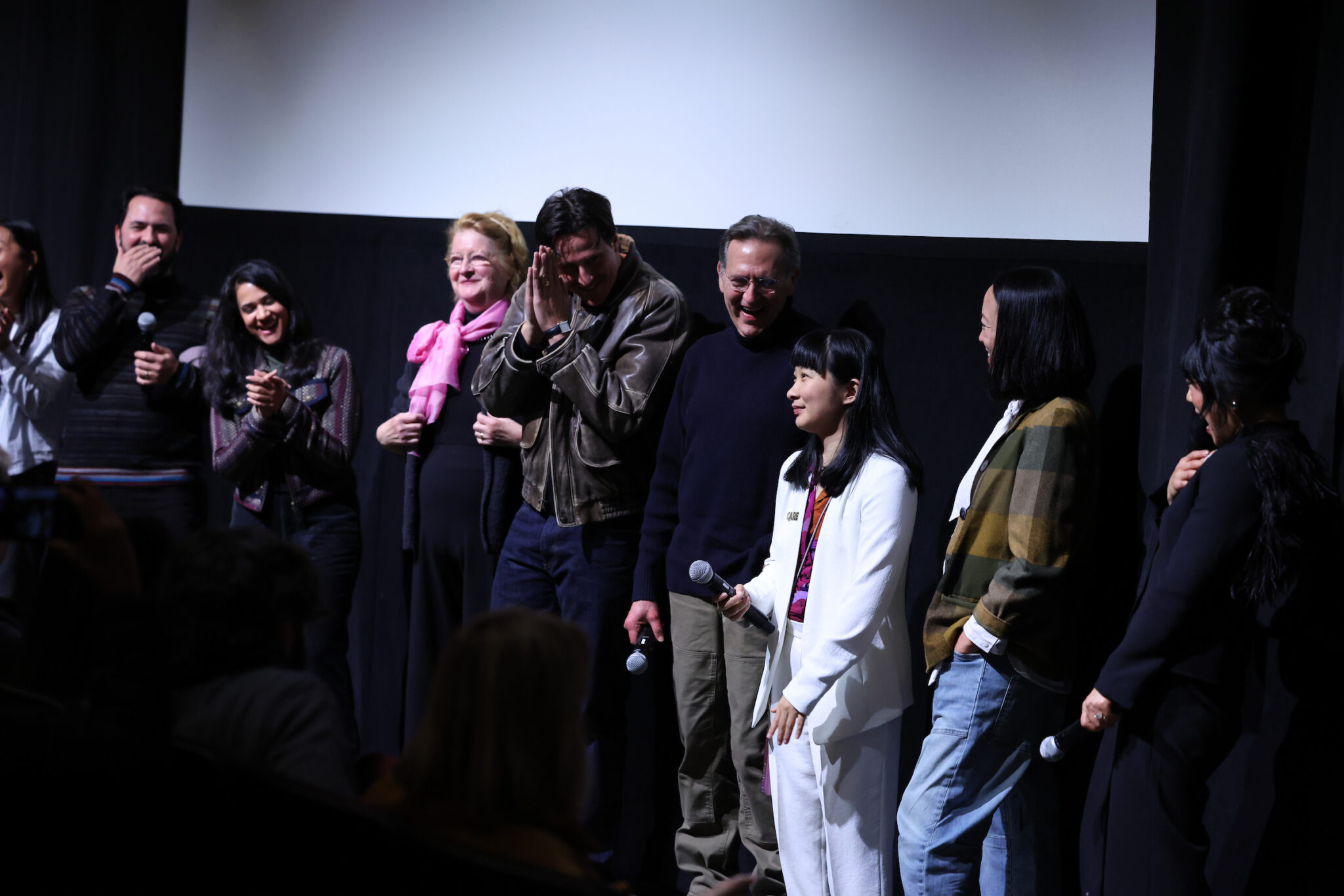
(L–R) Minos Papas, Apoorva Guru Charan, Marceline Hugot, Shane Harper, Victor Slezak, Anna Sargent, Liz Sargent, and Ali Ahn attend the Q&A for “Take Me Home” by Liz Sargent, an official selection of the 2026 Sundance Film Festival. (Photo by Gabriel Mayberry/Sundance Institute)
By Lucy Spicer
In writer-director Liz Sargent’s Take Me Home, daily life is held together in a tenuous balance. Anna (played by Anna Sargent, the filmmaker’s real-life sister), a 38-year-old Korean adoptee with a cognitive disability, lives with her aging parents (Victor Slezak and Marceline Hugot) in their cluttered Orlando home. The three take care of one another — Anna’s mother bathes her, her father drives them to the store, Anna provides physical support for their weakening bodies — but each day brings heavier reminders that what they’ve built can’t last. Various surfaces are covered with unpaid bills, calendars document forgotten prescriptions, and frustrating calls about health insurance are a regular occurrence. They’re functioning, but they’re essentially in survival mode. When a tragedy upends their delicate balance, the whole household threatens to crumble, revealing the impossible choices many people are faced with when they have family members who require caregiving.
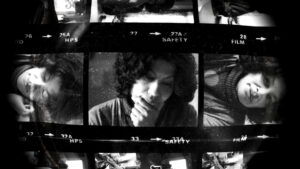
An expansion of her 2023 Sundance Film Festival short film of the same name, Liz Sargent’s feature debut, which premiered January 26 at the Library Center Theatre in Park City as part of the 2026 Festival’s U.S. Dramatic Competition, is a very personal project.
“It’s a story I always wanted to make. I just love Anna so much,” she says during the film’s post-premiere Q&A. “My parents are white Midwesterners — ” “Our parents,” interjects Anna to audience laughter. “They had four biological kids,” continues the writer-director. “Adopted seven more, six of them are Korean, several have disabilities. Anna is the youngest, and she is obviously a star. But I’ve always been worried in thinking about her future and her independence and also my responsibility to the people that I love as we age.”
Everyone present from the cast and crew — as well as the theater’s audience — agrees that Anna is the beating heart of the film. “We just learned a lot in the short [film] about how to build the team around her and build the cast around her and sort of play with a structured improv in order for her to have total ownership over her performance,” explains Liz.
“I think you can see that there’s no one more alive and present than Anna, so you’re gonna be exposed, as an actor, real quick,” adds Ali Ahn, who plays Anna’s sister Emily in the film. “The thing that was so amazing was to watch Anna grow as an actor in the weeks that we spent filming.”
The director’s structured improv approach to filming scripted scenes lends an incredible level of authenticity to the film. When we see Anna playing basketball with a neighbor (Shane Harper) she meets after trying to run away, we’re seeing someone experience real joy. The actor’s sense of humor shines through her character, providing moments of levity and optimism in a story that’s full of uncertainty. Because although Anna is more capable than some may realize, the society she lives in isn’t built for people like her. The bureaucratic and financial hoops most people have to jump through to get care for disabled individuals are difficult enough to ensure they can survive, let alone thrive.
“In this country, so many people are waking up and having to make unbelievably difficult life-and-death decisions every day,” says Slezak during the Q&A. “That’s why this movie is so important.”
“Anna just wants good food, fresh air, community, and some kind of purpose,” adds Liz. “It’s all we really want, but we’re all just trapped in survival.” The film asks us to imagine an environment where people are allowed to live and live well, without having to worry about survival. “This is all possible. And we’re all flawed, and that’s part of being alive, to have conflict, to have medical needs, to be disabled at some point. We can see that we could build a path.”