




By Cecilia Santini
While human action alters the environment, nature in turn affects our ability to survive, our identities, our personal and cultural histories, and our emotional lives. This collection of short films and features — all of which are available to watch in person and online — explores this interrelatedness amid environmental change, catastrophe, and opportunity, reminding us that we are a part of nature as well as a force that shapes it.
These films take audiences around the world — to a conflict between people and polar bears in a small Canadian town, a fight to save a vanishing lake in Utah, a requiem for a glacier in Iceland, and beyond. Whether you like horror movies or meditative personal stories, environmental documentaries or experimental art films, there’s something here for you.
SHORT FILMS

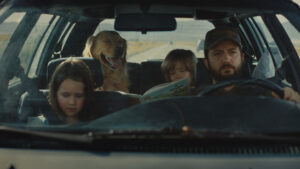
The Boys and the Bees (Documentary Short Film Program) — A gentle look at a Black family in Georgia and their relationship with nature and one another from director Arielle Knight. The family keeps bees, goes fishing and camping, and plans on creating a multigenerational homestead as they reflect on the land around them. Available in person and online

Some Kind of Refuge (Short Film Program 3) — In Alexandra Kern’s short documentary, a centuries-old community lives on the banks of the Mississippi River outside of New Orleans and its flood protections. Only nine homes currently survive regular seasonal flooding, but the residents continue to care for their homes, one another, and the river. Available in person and online

Taga (Midnight Short Film Program) — Vivi (Kim Adis) is a Filipina American working on a nature reserve in the Philippines, hoping to connect with her culture. She’s joined by a group of disrespectful volunteers who hold only contempt for the local people who know the land best. Horror awaits. Jill Marie Sachs’ short conveys the importance of pairing concern for the land with respect for the people who live on it. Available in person and online

Tuktuit : Caribou (Documentary Short Film Program) — This short from director Lindsay Aksarniq McIntyre documents the interwovenness of people and their environment through both its themes and its physical construction. The film uses emulsions created from caribou and lichen to examine the relationship between Inuit, the land, and its creatures. Available in person and online
FEATURES
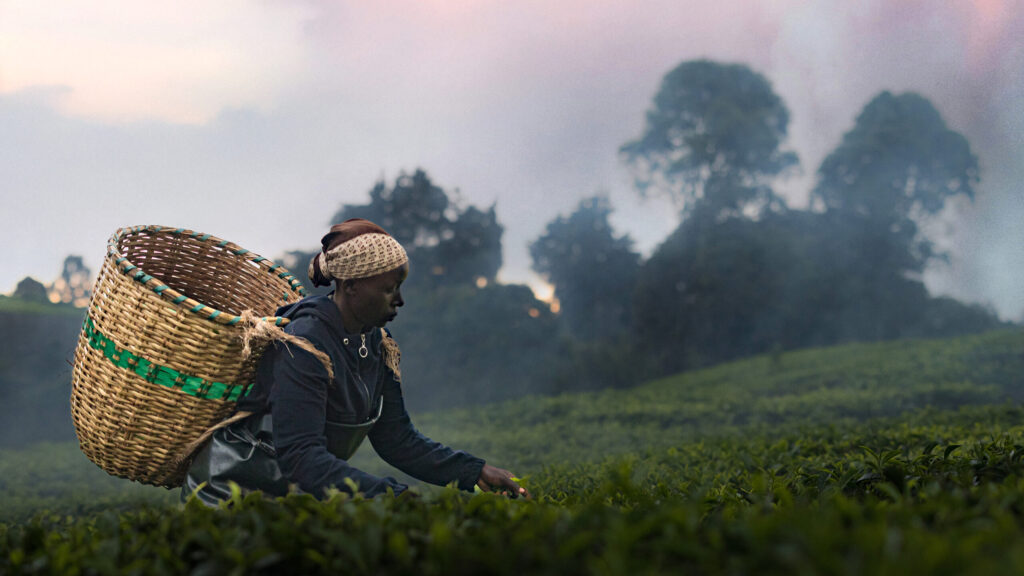
Kikuyu Land (World Cinema Documentary Competition) — “You must have land. It’s identity. If you don’t have land, you’re stripped of yourself,” Kenyan journalist Bea Wangondu says in Kikuyu Land, which she co-directed with Andrew H. Brown. This film documents how powerful intersecting forces rooted in the struggle over the rich Kikuyu land shape the daily lives and personal histories of ordinary Kenyans, who face the legacy of colonial land theft, brutal working conditions on corporate tea farms, and the effects of political corruption and corporate greed. Available in person and online

The Lake (U.S. Documentary Competition) — As ecologist Ben Abbott reminds us several times in director Abby Ellis’ The Lake, saving the environment is about saving ourselves. This sobering look at the endangered Great Salt Lake and the people who live around it shows how the future of the natural world is also people’s future. Ellis’ documentary analyzes how to get power to act despite disparate interests, the role of faith in confronting environmental catastrophe, and the best way to communicate frightening truths. Available in person and online

Nuisance Bear (U.S. Documentary Competition) — When the boundaries between human and animal territories dissolve, is it possible to protect both animals and people? Gabriela Osio Vanden and Jack Weisman’s Nuisance Bear probes this question with a look at two Canadian towns and their relationship with polar bears, showing how, as climate change alters wild animals’ behavior and territory, the lives of surrounding human communities are affected as well. Available in person and online
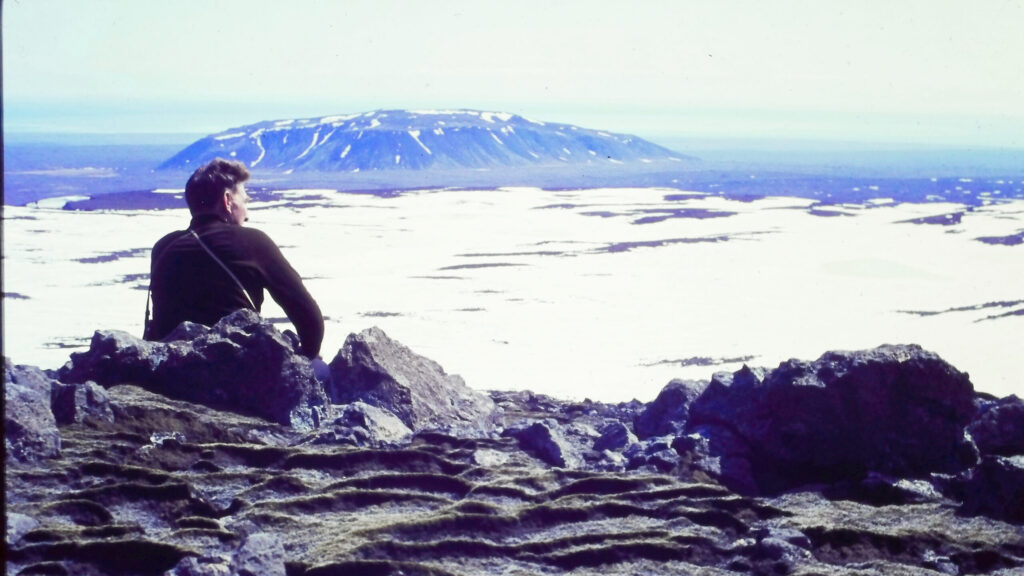
Time and Water (Premieres) — This powerful documentary examines how environmental loss can also be personal loss. Director Sara Dosa (Fire of Love, 2022 Sundance Film Festival) chronicles writer Andri Snær Magnason grieving both his grandparents and Iceland’s landscape while working on a eulogy for a dead glacier, drawing parallels between the lost time held in the ice and in our memories. Available in person and online

To Hold a Mountain (World Cinema Documentary Competition) — In directors Biljana Tutorov and Petar Glomazić’s film, a family struggles against external powers that threaten their connection to the land. Two shepherds in Montenegro, a mother and daughter, work against the transformation of their ancestral home into a military training ground while confronting how war altered their own family history. Available in person and online