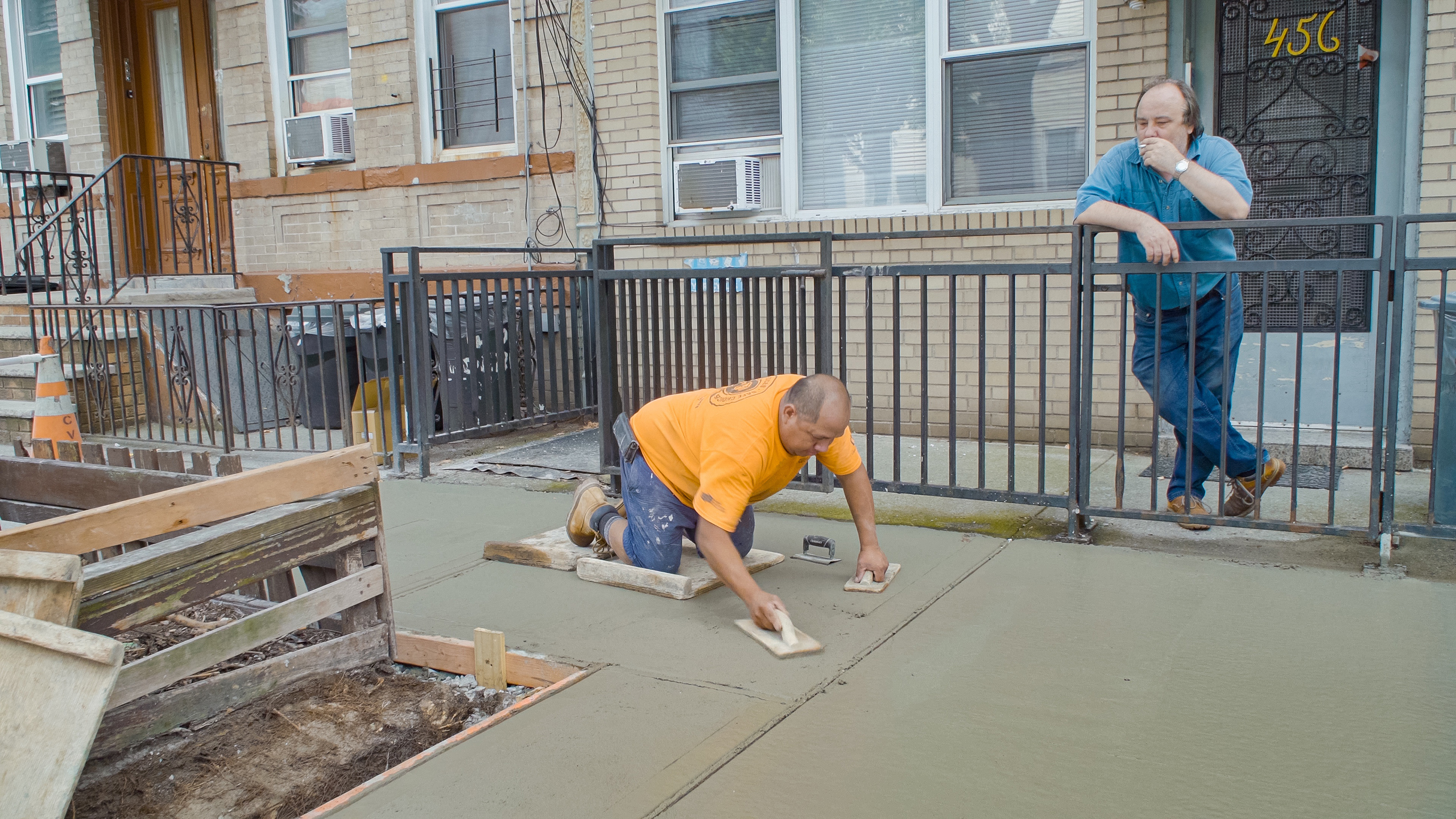
Give Me the Backstory: Get to Know John Wilson, the Filmmaker Behind “The History of Concrete”
When asked who he wants this film to reach, Wilson responds “Anyone who has a relationship with concrete.”

When asked who he wants this film to reach, Wilson responds “Anyone who has a relationship with concrete.”
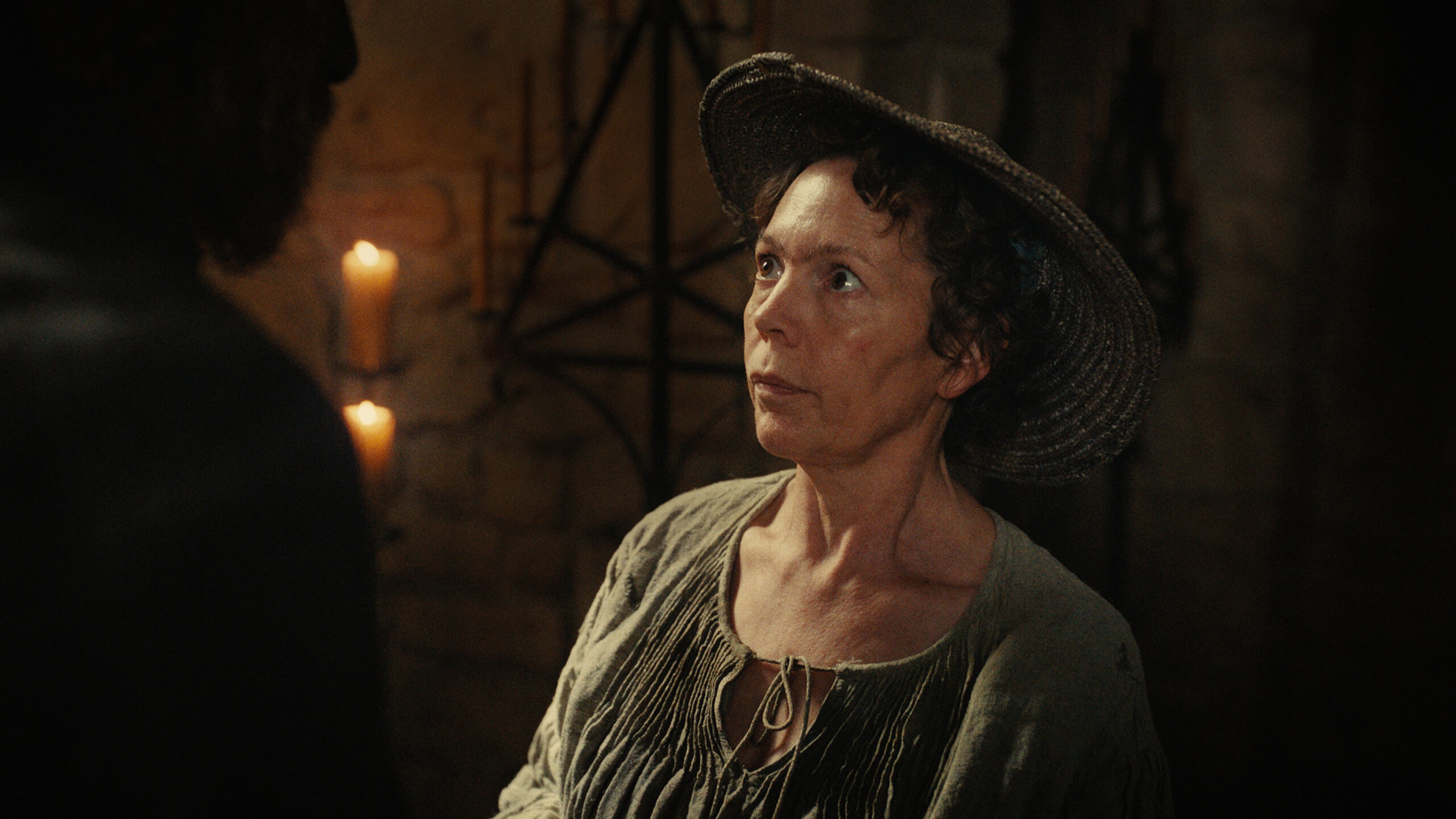
By Adam Silverstein Books and films have always had a complicated love affair, but when it works, it really works. The 2026 Sundance Film Festival
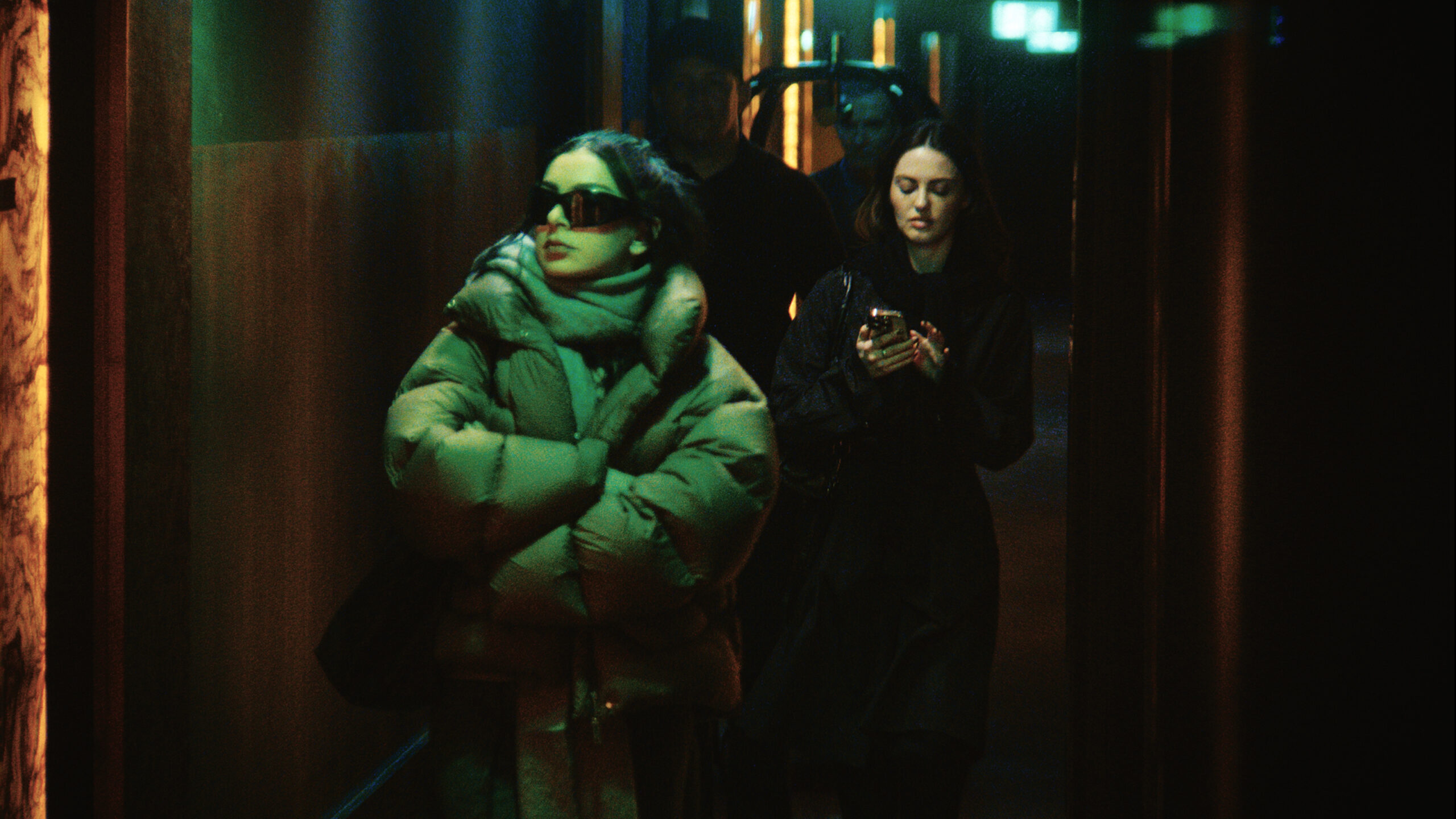
At the Sundance Film Festival, support of films that focus on music dates back to the ’80s. The 2026 slate continues that legacy with projects about the fast, messy, and influential lives of musicians.
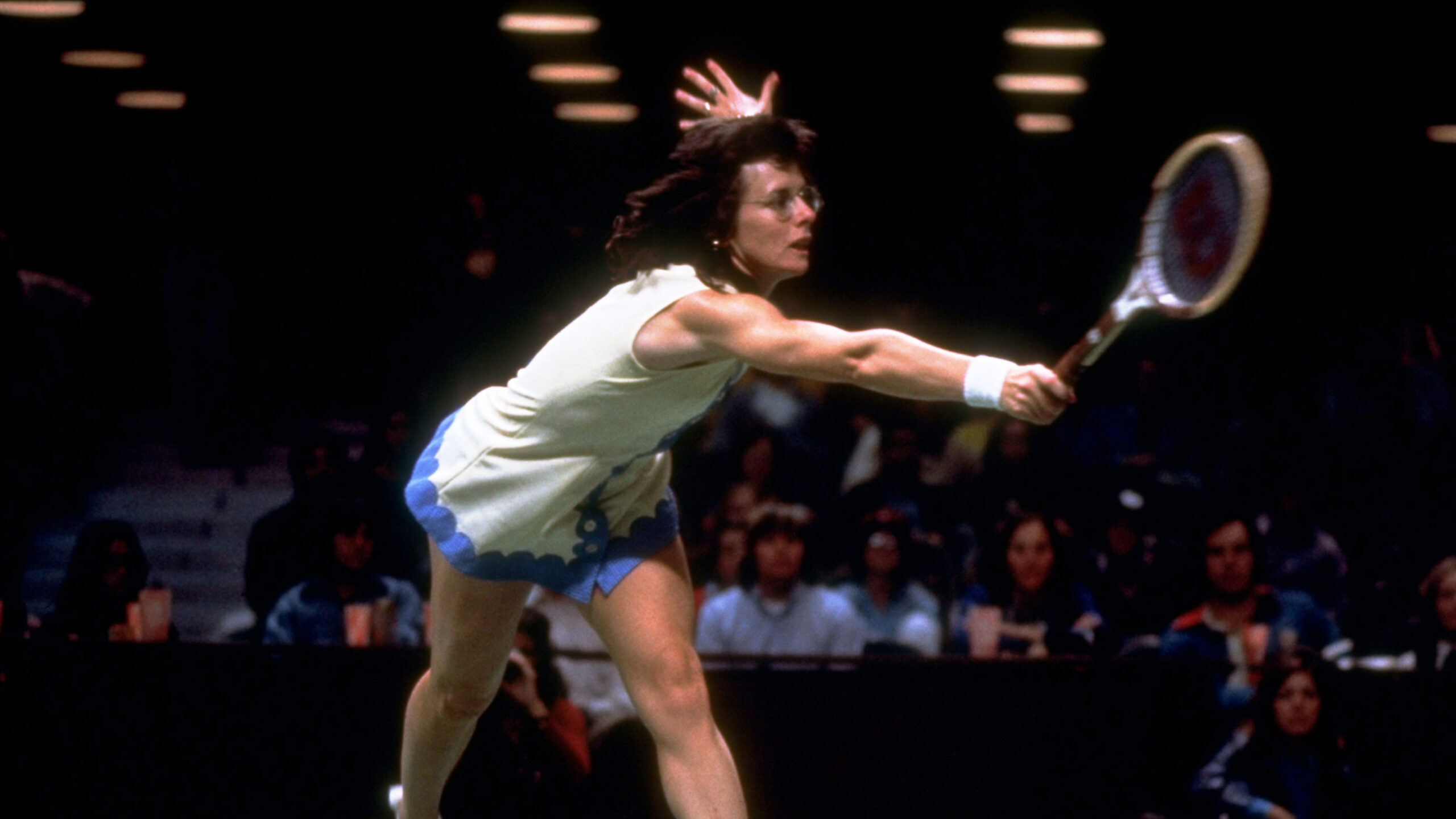
By Gina McIntyre From rock stars, artists, and authors to athletes, political luminaries, and youthful chess grandmasters — some of the most colorful, innovative, and
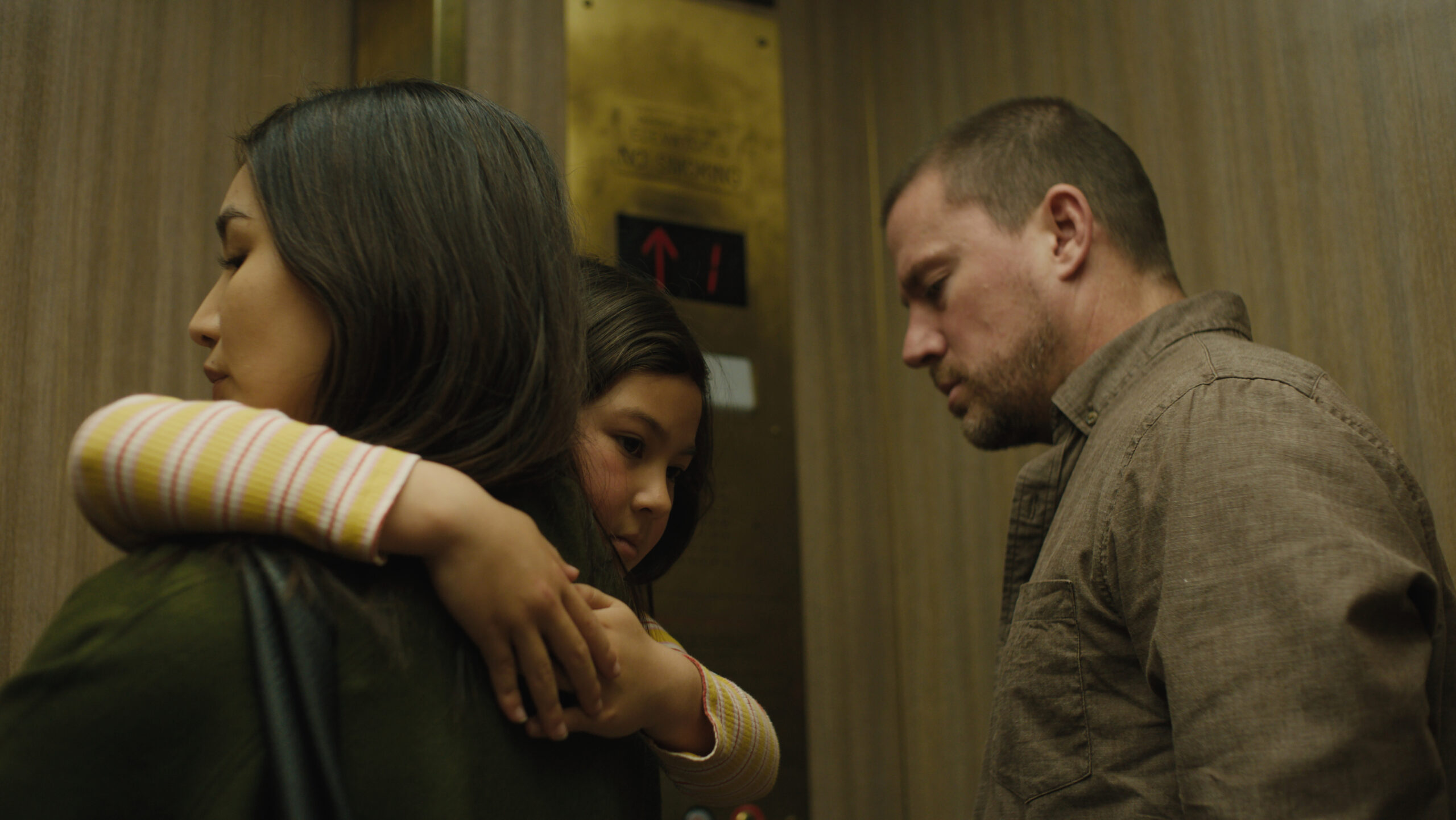
Across feature films, episodic works, and short films, more than 70 new projects by women are premiering and screening this year, each offering a distinct lens on love, identity, power, and more.
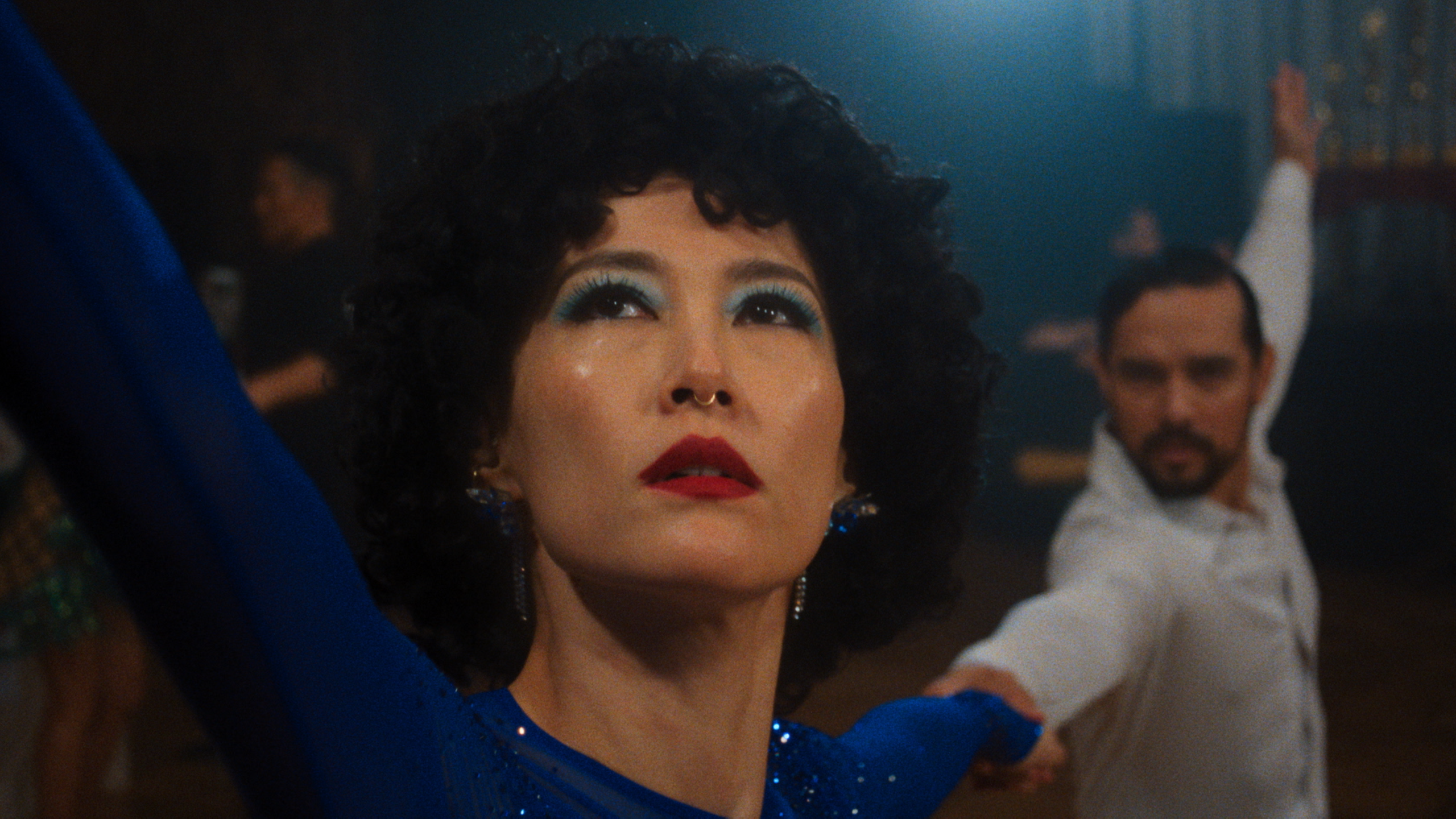
In “Ha-chan, Shake Your Booty!,” writer-director Josef Kubota Wladyka tackles grief with motion, crafting a deeply felt story about what it means to keep moving when life threatens to bring you down.
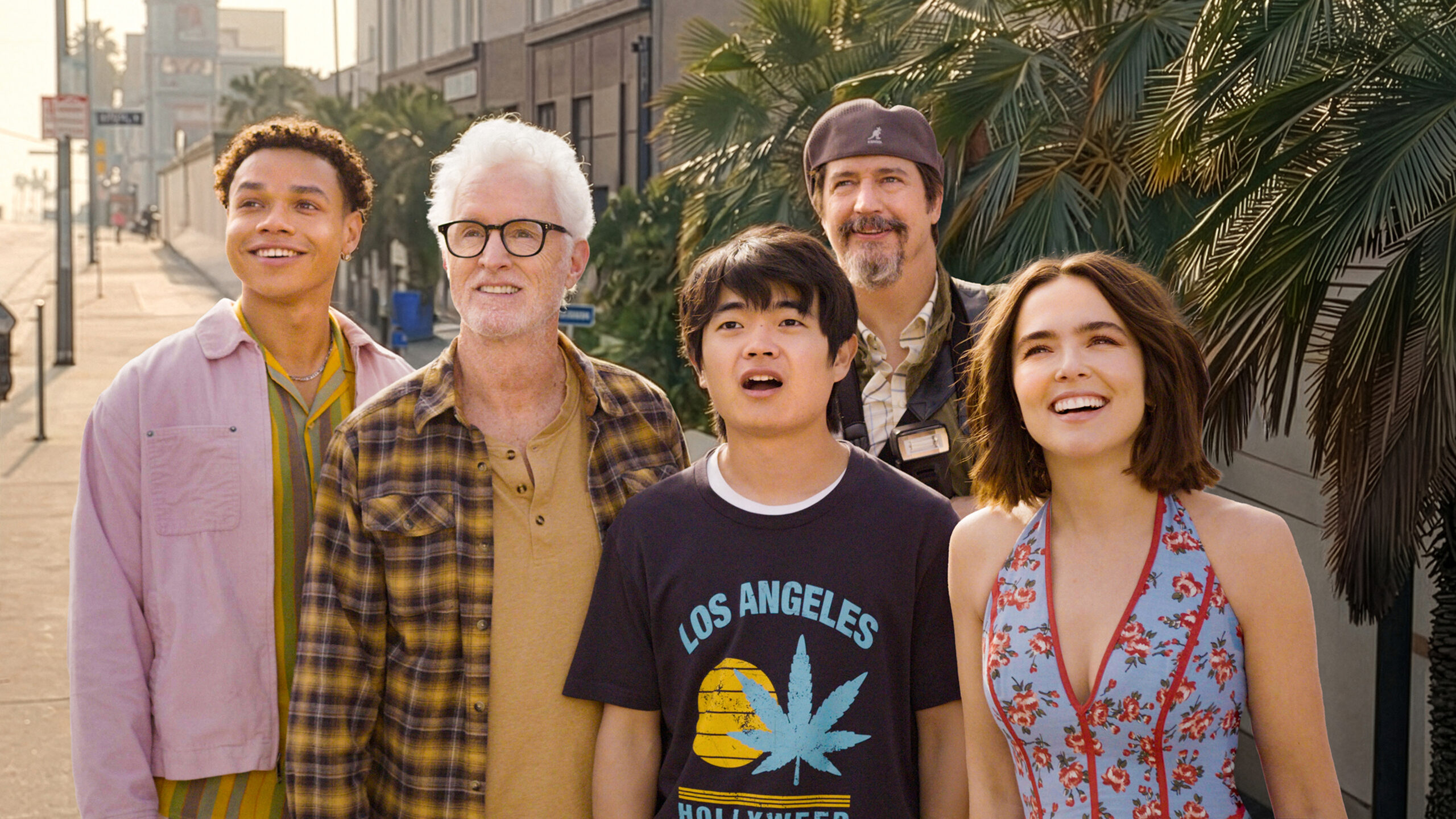
Given the number of features, short films, and episodic works playing the Festival in 2026, it’d be impossible to catalog every comedy, dramedy, or comedy-adjacent project in the lineup. But if you’re looking to watch something laugh-out-loud funny in person or at home, you can’t go wrong with any of the following.
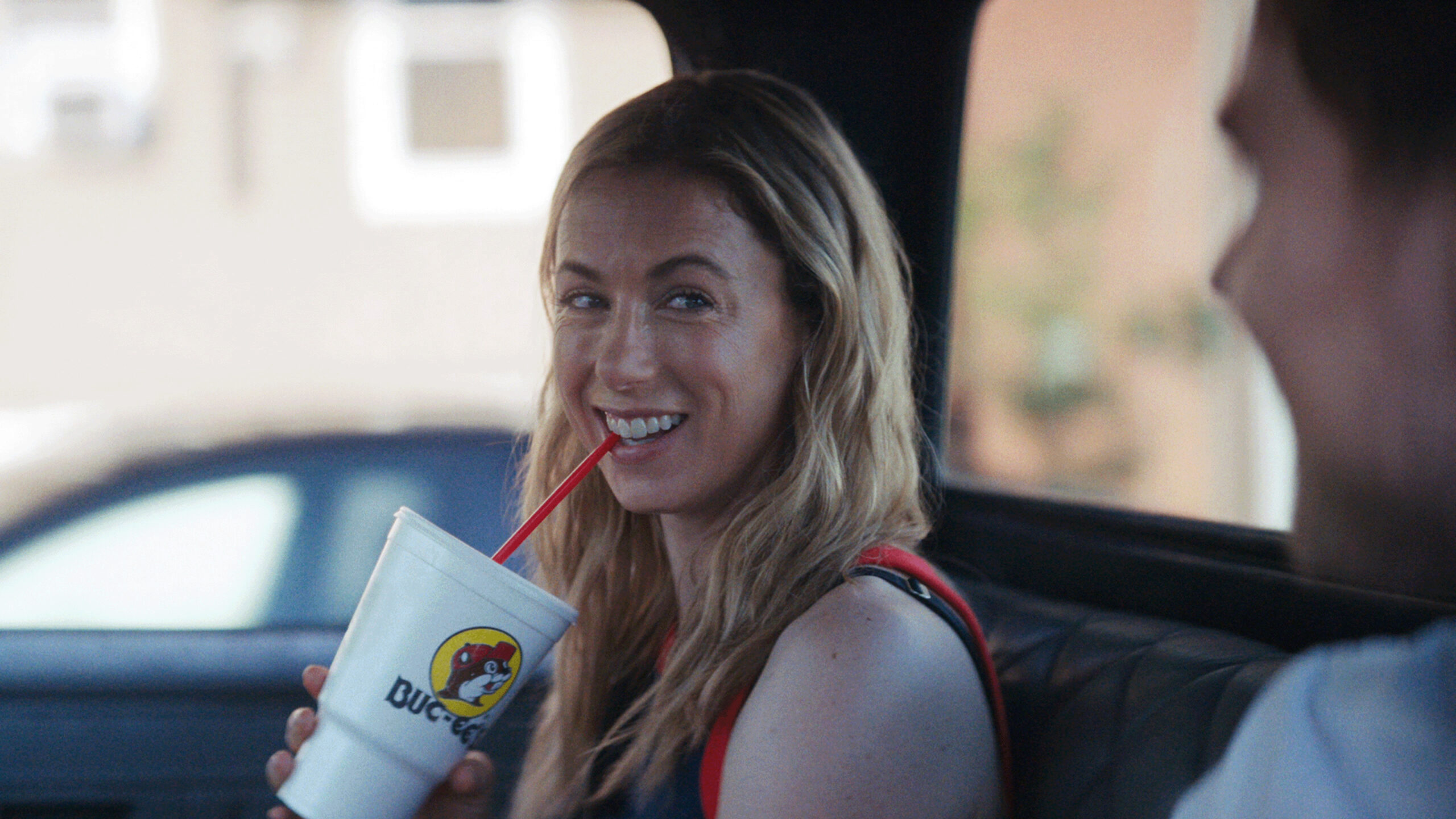
“This film is about expansion and pleasure and living to your absolute fullest. It’s about being sensual and sexual and hilarious and lost.”
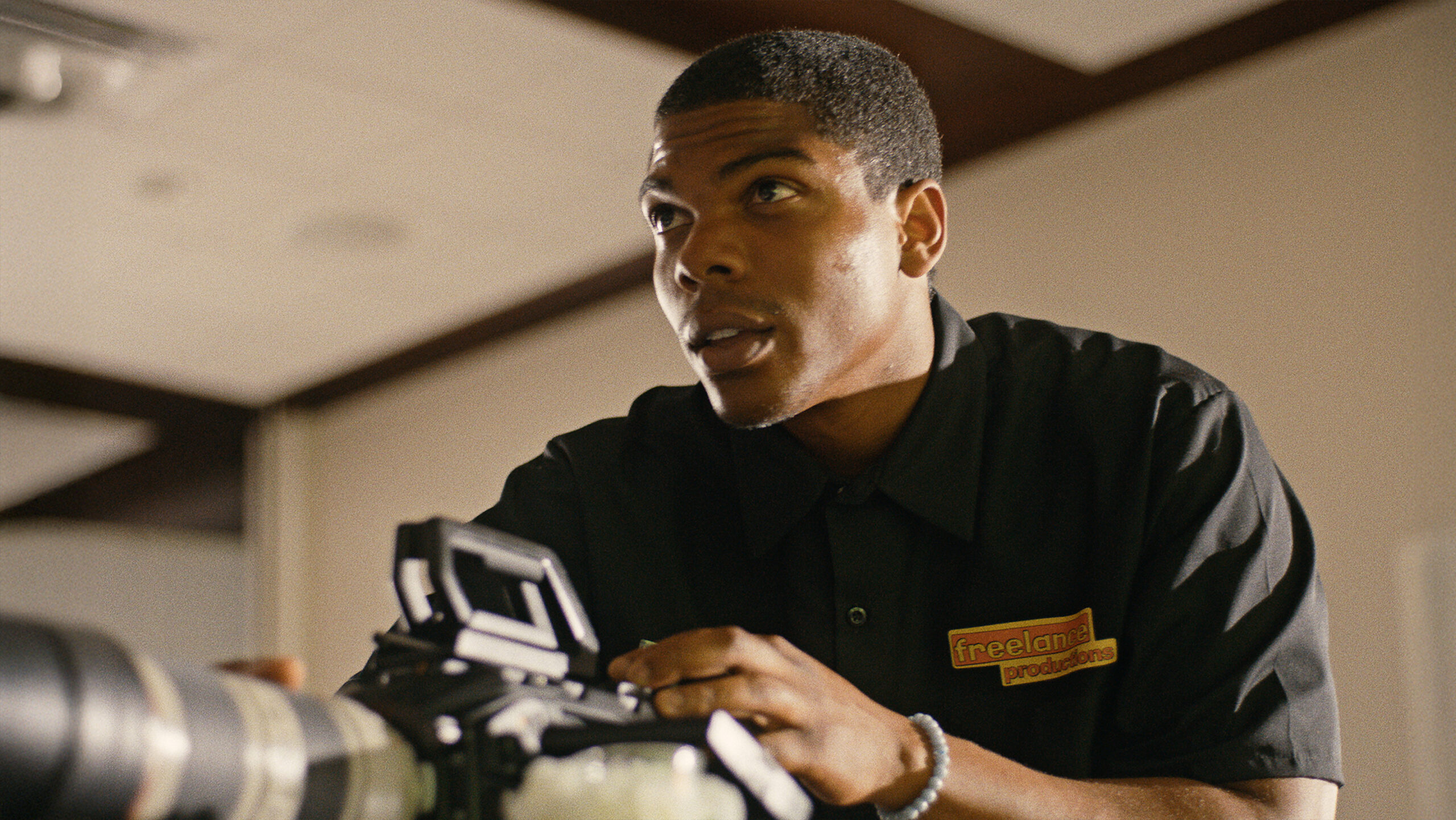
The slate of films by Black artists, across documentaries, narrative features, episodic storytelling, and short films, asks audiences to recognize and understand Black life as multifaceted.
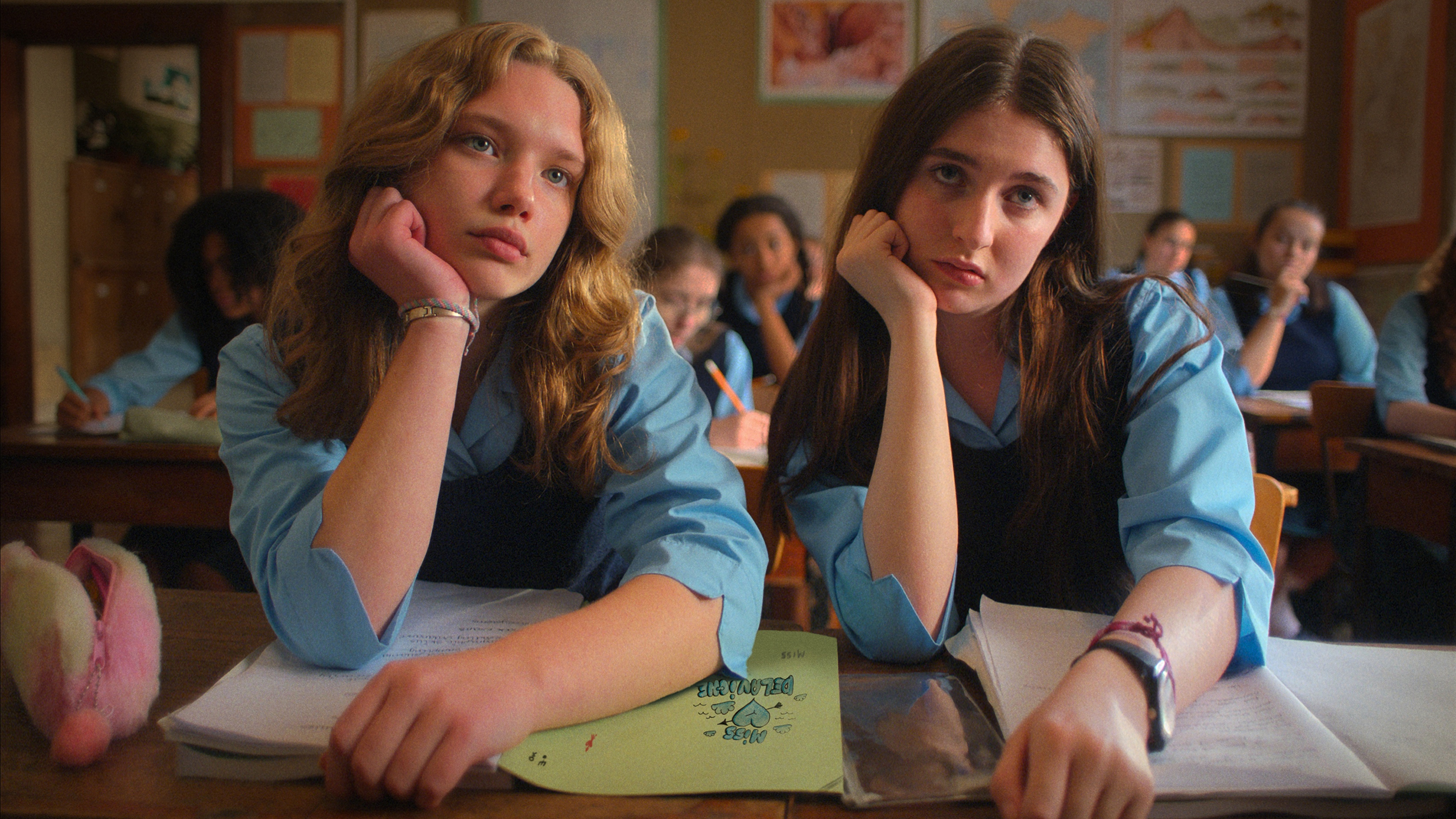
“I think the biggest inspiration is teenage female friendship,” says Manners about her new film. “I drew a lot from my own experiences at an all-girls school growing up and how huge and exciting and painful and exhilarating and kind of everything these friendships felt.”
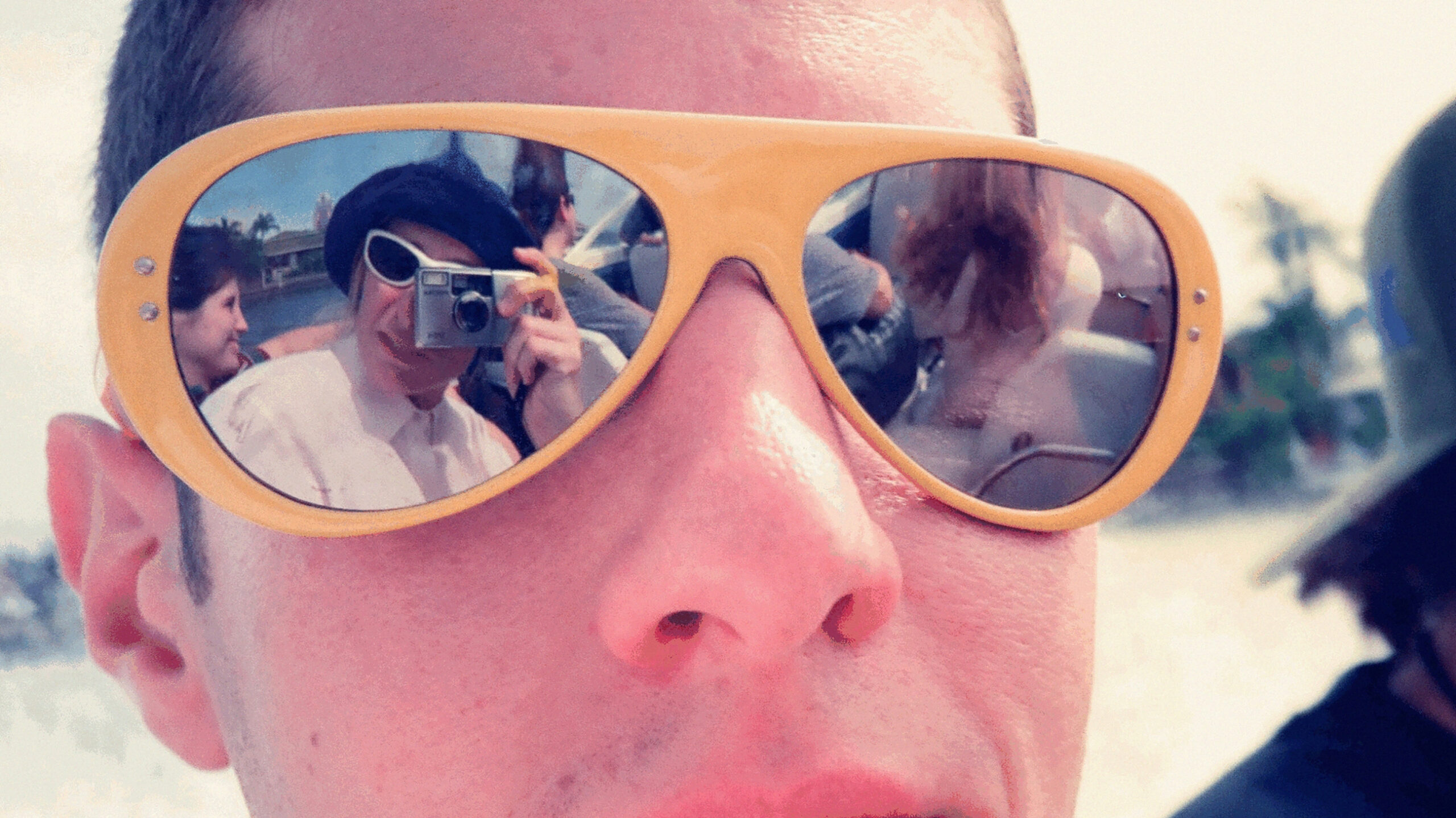
Tamra Davis’ “The Best Summer” captures the raw energy of the 1995 Summersault indie music festival in Australia, where bands like Sonic Youth, Foo Fighters, Beastie Boys, and Bikini Kill hit the stage.
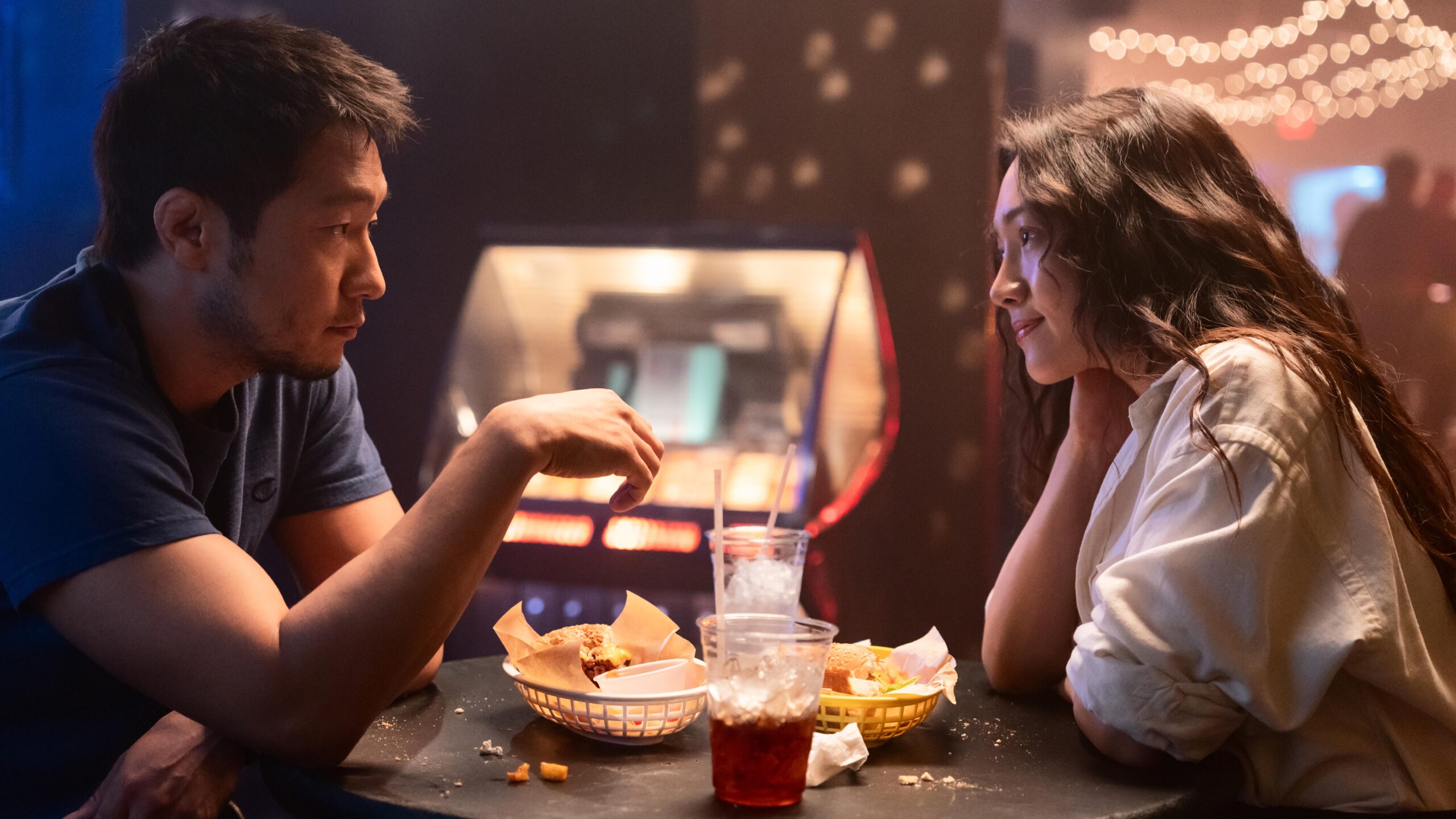
Moon Choi and Son Sukku appear in “Bedford Park” by Stephanie Ahn, an official selection of the 2026 Sundance Film Festival (Courtesy of Sundance Institute