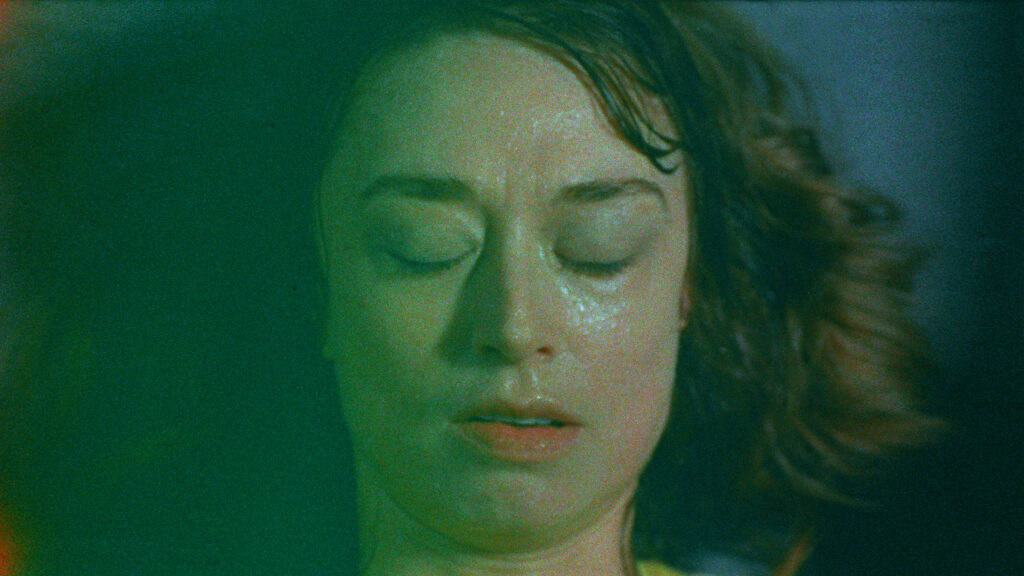
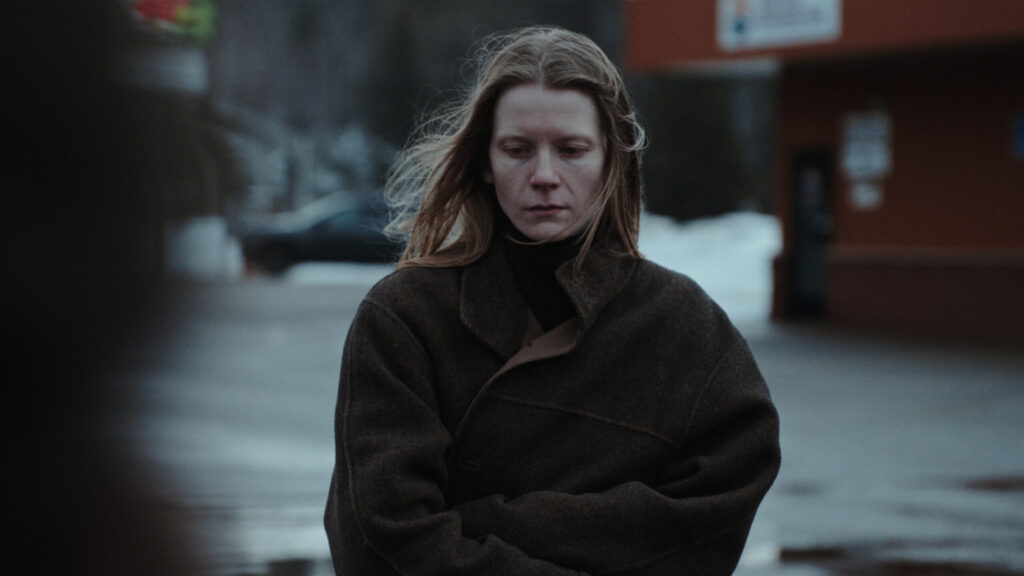




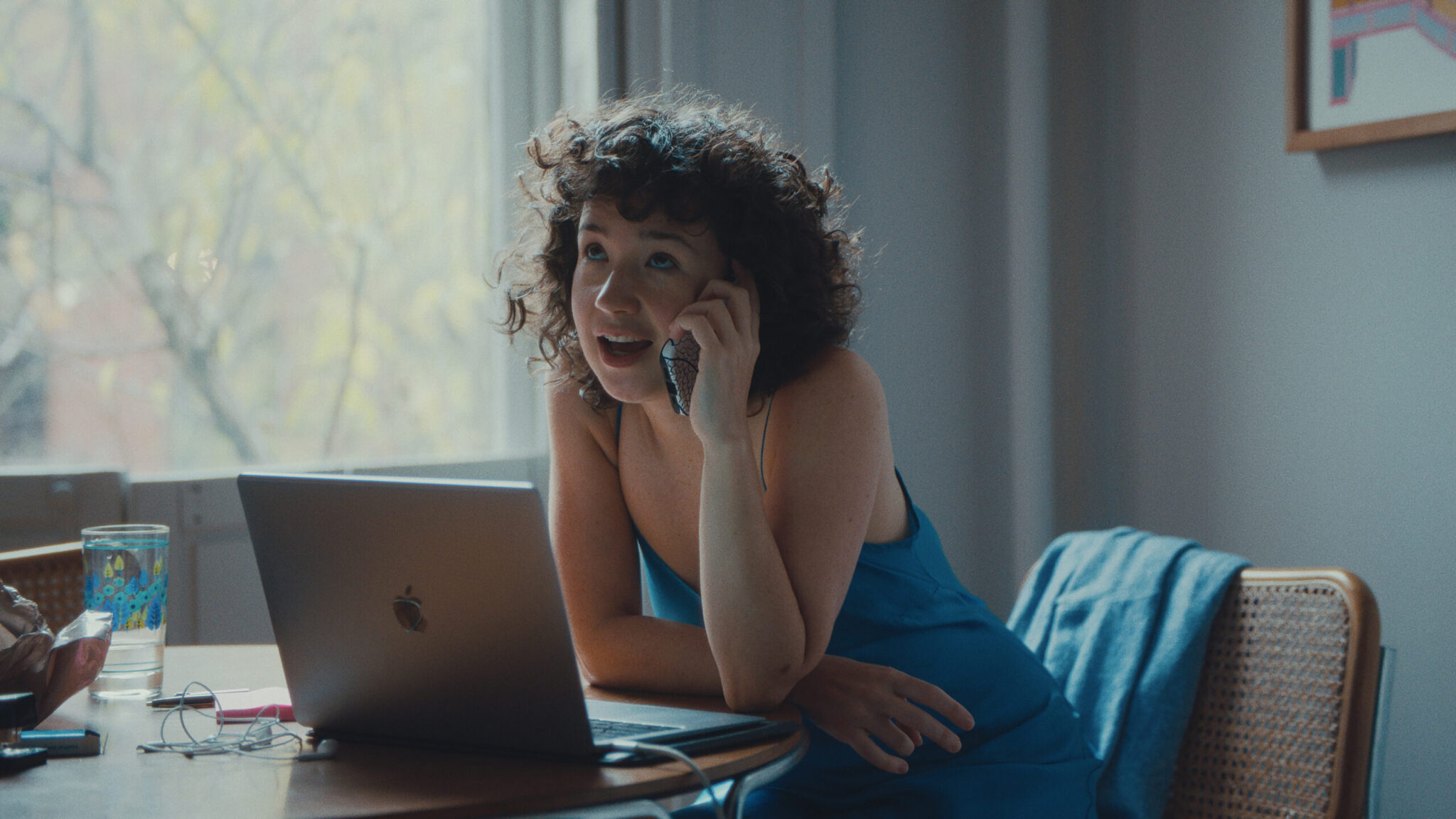

Sarah Steele appears in “Crisis Actor” by Lily Platt, an official selection of the 2026 Sundance Film Festival. Courtesy of Sundance Institute | photo by Leo Zhang.
By Jessica Herndon
The 2026 Sundance Film Festival’s Short Film Program 4 made a quiet but potent impression when it screened at The Yarrow Theatre in Park City on January 25. The program’s seven shorts unfolded like a series of confessions, featuring stories that explore discomfort, memory, and the moments we try to outrun. The filmmakers who made these projects aren’t interested in easy resolutions. Instead, they choose to delve into journeys in which their characters face lingering trauma, strained love, and inherited ghosts.
Drawn from more than 11,000 short film submissions, only 54 projects were selected to screen at this year’s Festival, making each entry in Program 4 feel distinct and urgent. Whether grappling with inner demons or the sting of betrayal, these shorts exemplify why the Sundance Film Festival remains a vital home for bold, short-form storytelling.
Crisis Actor
After losing her day job, an impulsive actress (Sarah Steele) inserts herself into a support group she doesn’t belong in, setting off a night fueled by performance and a craving for chaos. Directed by Lily Platt, the film explores what it means to be truly vulnerable versus merely seeking attention. Striking a sharp balance between laugh-out-loud humor and the sting of self-awareness, Crisis Actor earned the Short Film Jury Award for U.S. Fiction.
Though the main character in her film could be read as someone who is purely attention-seeking, desperate, or lonely, Platt assured the audience during the Q&A following the screening that she approached the behavior of the character “more through the lens of an artist and someone who is desperate to perform and kind of addicted to that experience.”
Platt added that she’d made a film during her first year of grad school about a woman who lied about a pregnancy and getting an abortion to manipulate her ex-boyfriend. “I really liked the character, and I liked the challenge of revealing a lie,” she said. “So, I continued that character and those themes.”
How Brief
Colorful, yet devastating, Kelly McCormack’s How Brief captures the collapse of carefully maintained facades: politeness, public persona, and the practiced art of seeming fine. Set over the course of a single night in 1962, the film follows a restless woman who returns one final time to her childhood home, where memory, performance, and grief begin to blur. The film settles into the pain of how we see ourselves, with Tess Degenstein’s haunted protagonist confessing to her brother (Gray Powell), “I’m used to feeling doomed at night, but now it’s midday and the morning too.”
“The idea came from the writer and star, Tess Degenstein, who sent me the script, which was very strange and peculiar, and she said she had a premonition for me to direct it, and that it was inspired by the music of Connie Converse, who wrote one haunting record in the 1950s, and then engineered her own disappearance,” says McCormack during the Q&A after the screening. “So, I listened to Connie’s record and fell off a cliff.”
McCormack adds that while making the film, she “wasn’t really interested in why a woman would choose to disappear, but frankly, why not?” She was also interested in bringing “color and glory and luster and as much love and grotesque beauty to the impulse of wanting to vanish rather than inquiring as to why a woman would choose to do that.”
Ivar
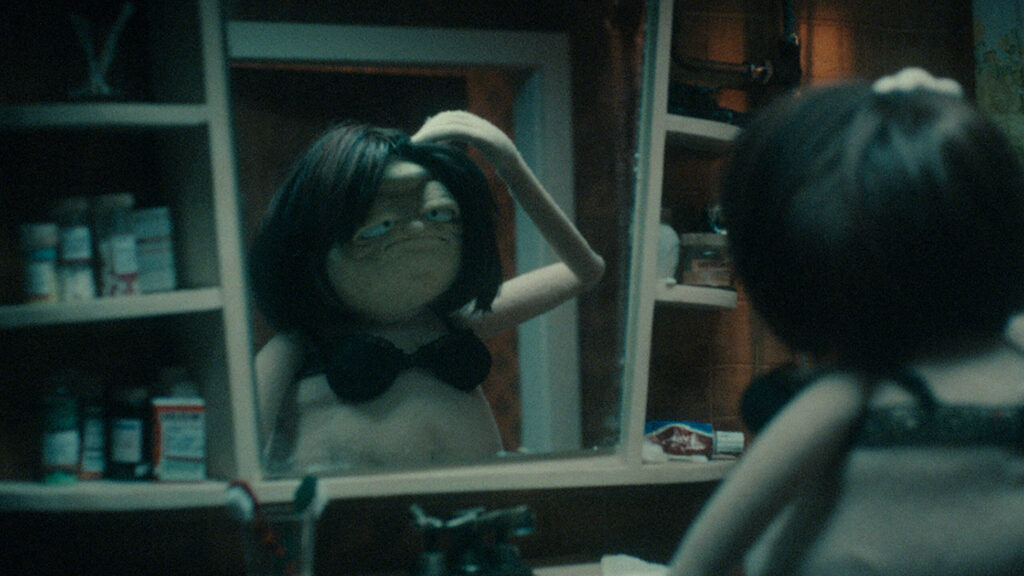
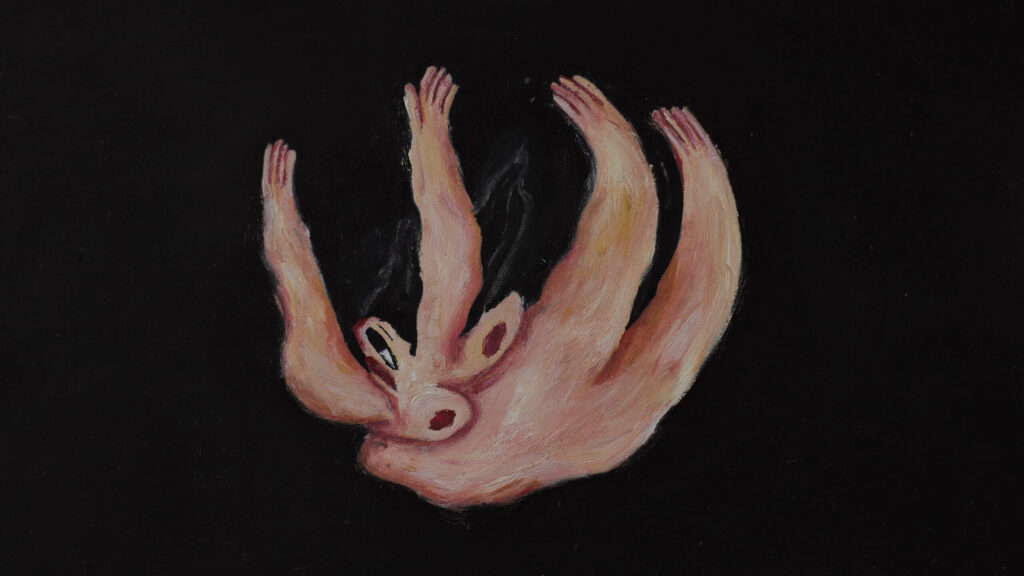
In Ivar, directed by Markus Tangre, Anne becomes fixated on a subtle change in her husband’s scent. The unease she feels as a result snowballs into a late-night spiral that’s equal parts absurd, hilarious, and relatable. Told through puppetry, the film is a sharp, funny meditation on long-term love.
“I have been very fascinated by the concept of using puppets to tell normal human stories,” said Tangre, adding that he asked writer Signe Dammann Anker to help him craft some ideas for a film. “And she wrote this beautiful little monologue that I thought would be fun to explore within this universe,” he added.
Marga en el DF
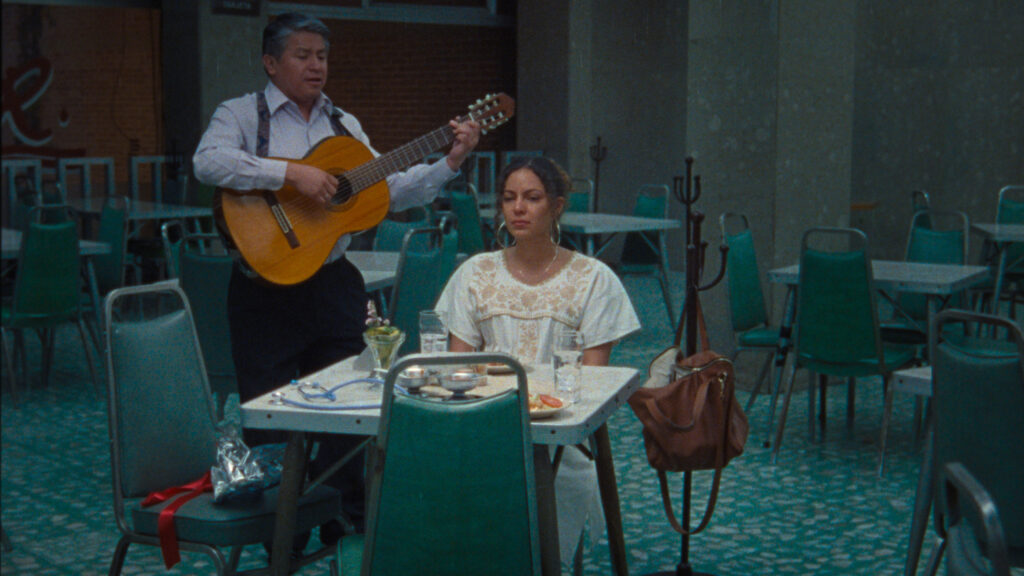
Marga en el DF captures the emotional aftershock of Selena Quintanilla’s murder, as a trip to Mexico City reshapes the life of Maria (Camila Santana), a 21-weeks-pregnant woman who feels especially vulnerable. Written and directed by Gabriela Ortega, the short is anchored by a deeply felt performance from Santana as a woman coping with an unexpected transformation.
When asked what she hoped to convey in her film following her short’s premiere, Ortega said, “I’m from the Dominican Republic and this was my first time shooting on location in Mexico City. Mexico City particularly is a city that has given me a lot throughout the years — friendships, family, art — and I wanted to have people fall in love with the city as much as I love the city, and also fall in love with Maria.”
Radiant Frost
When a drifter’s isolated routine is interrupted by the discovery of a runaway from a cult hidden in the back of his truck, the encounter becomes less about escape and more about recognition. Directed by Hannah Schierbeek, the film captures the characters’ longing for connection, safety, and purpose. Gorgeously shot and unafraid of stillness, Radiant Frost lingers in pauses and glances.
“The world of our film is really cold and isolating and deadly even,” says Schierbeek following her short’s premiere. “I was hoping to create characters that find some sense of hope within each other when they form this unlikely bond and reclaim something in themselves that was perhaps a loss.”
Once in a Body
Once in a Body approaches reconciliation from the inside out. Written and directed by María Cristina Pérez, the animated short traces a woman’s attempt to repair her fractured relationship with her sister, examining how memory and guilt have lived on within their bodies since adolescence. The film’s evocative animation traces the emotional distress of a childhood incident. After premiering at the Toronto International Film Festival, the tender and heartbreaking Once in a Body arrived at the Sundance Film Festival, giving shape to the feelings of self-doubt many of us carry.
“My intention was to talk about how it is to grow as a woman,” said Pérez, speaking through a translator. “I think anyone would also identify with or feel themselves reflected in a character that is not completely happy about a part of their body or about their body in general. But I think more than anything I wanted women not to feel alone.”
The Creature of Darkness
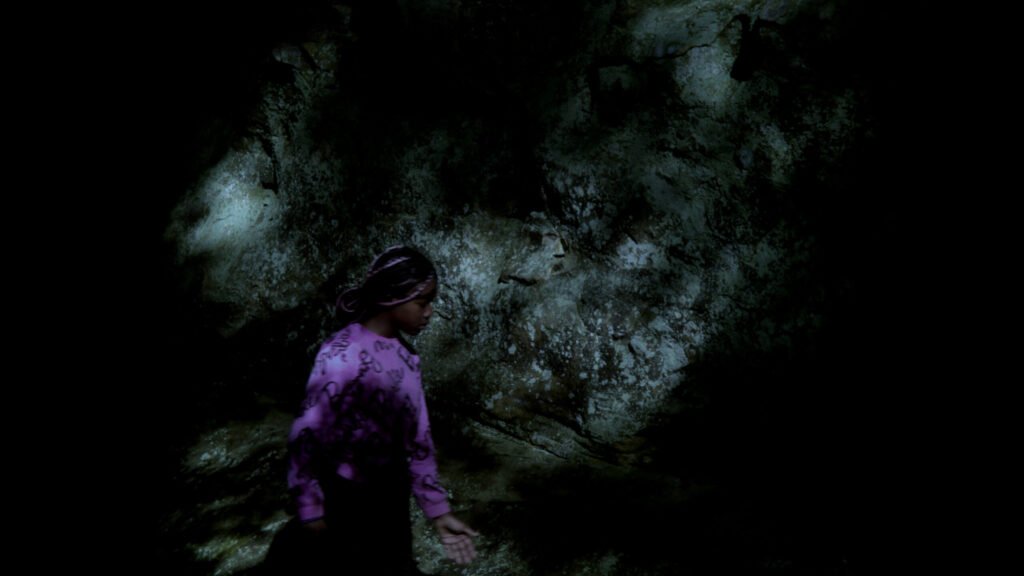
The Creature of Darkness, written and directed by Ray Whitaker and Lisa Malloy, plays like a whispered warning passed down through generations. Set in Little Egypt, the film follows Brielle, Karri, and Nunu — Whitaker’s nieces — as they gather in a cave that once sheltered those seeking freedom along the Underground Railroad. In the cave, their uncle recounts a tale of a creature that emerges after nightfall. Poetic and immersive, the film leans into darkness, guiding viewers through sound, shadow, and uncertainty. With lingering shots of nature, the film evokes the fear and resolve required to navigate the unknown.
Whitaker and Malloy’s film was inspired by the desire to “embrace what we’re scared of,” said Whitaker during the post-premiere Q&A. He went on to say that he believes telling stories through the eyes of kids is a good way to “grab an audience.” Added Malloy, “We were really interested in how people’s history moved through space and became embedded in the landscape.”